Your First Altar: Simple, Affordable, And Powerful
Creating your first altar is an experience that’s really personal and doesn’t need to be complicated or pricey. An altar is more than just a pretty spot filled with objects. It’s a space where you can ground your intentions, reflect, and make your practice feel real and approachable. I’ve found that even the smallest, simplest setups can still pack a punch if you bring authentic energy and meaning every time you use them.

What Makes an Altar Powerful?
An altar’s impact doesn’t come from expensive crystals, rare statues, or eye-catching arrangements. The real power comes from what you put into it: your focus, your intention, and a few objects that feel special or meaningful to you. My own earliest altars were just a candle and a favorite stone on a nightstand, and those small moments of connection were surprisingly strong.
There’s something about dedicating even a tiny corner of your space to your practice that makes it easier to clear your mind and settle in. Your altar acts like a little lighthouse, bringing your attention back to what matters. Every time you see it or spend a moment with it, you’re putting more energy into what you want to make happen or celebrate. Over time, your altar can feel almost like a friendly anchor, reminding you of your goals even on tough days.
Choosing the Best Spot for Your First Altar
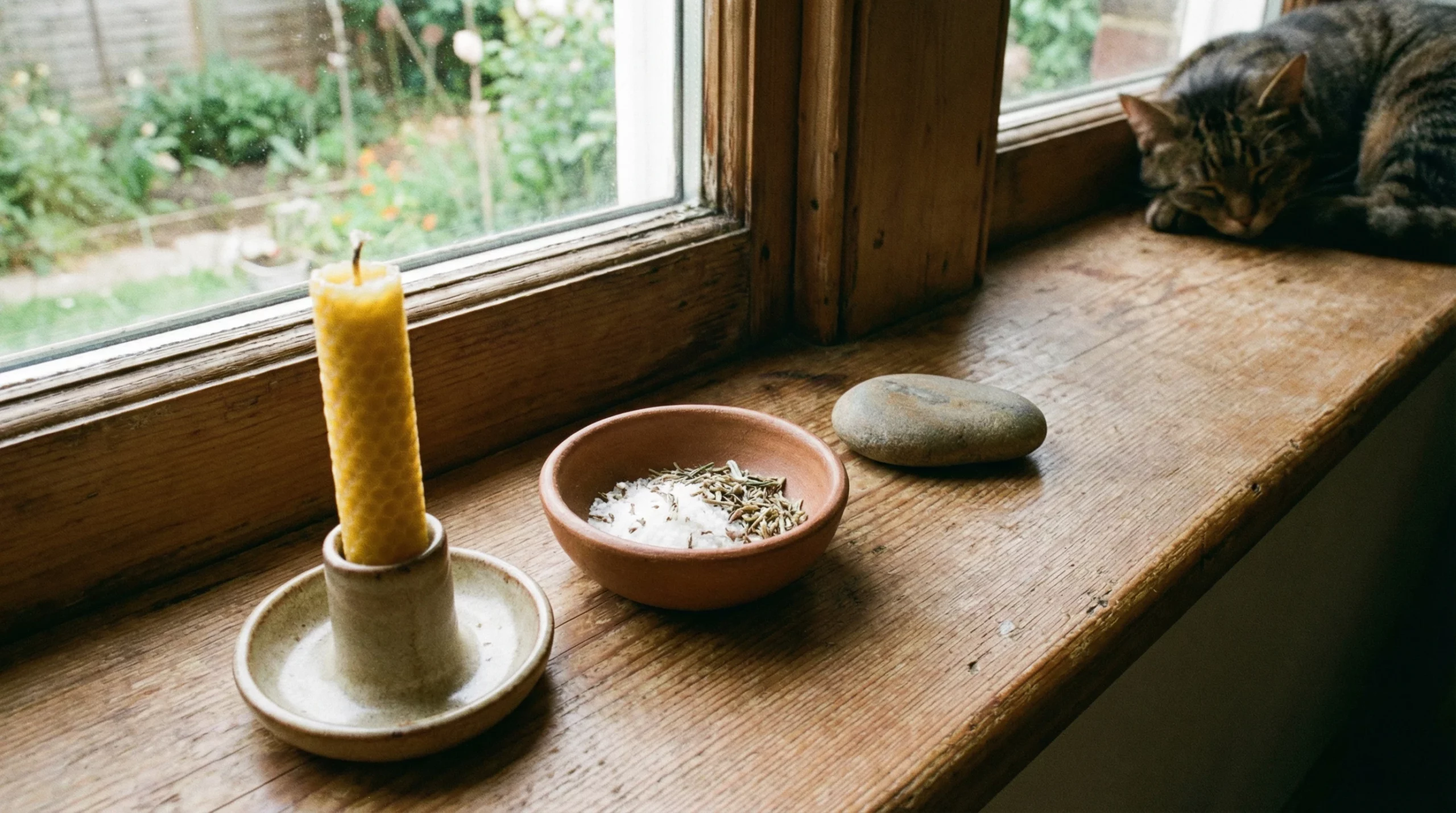
Picking the right location helps make your altar feel more useful and comfortable. You don’t need a whole room or even a whole table. Even a simple shelf, a corner of a dresser, or a windowsill can work. I usually look for a spot that feels private enough for quiet moments but is still easy to access every day.
Here are a few ideas for choosing the location:
- Keep it accessible: Placing your altar somewhere you’ll see it daily can help keep your intentions front and center, like a small tray on your desk or bedside table.
- Think about privacy: If you share your space with roommates or family, something that tucks away easily or looks like regular decor can help if you want to keep your practice more personal.
- Go mobile if you need to: For folks with limited space, a portable altar (maybe everything fits in a shoebox or pouch) is fair game. Lay it out for practice, then stow it when done.
If you want your altar to bask in some natural light, setting it near a window can give your items a peaceful glow. You might even want to place it somewhere you can sit or stand comfortably, so spending time at your altar feels easy to work into your day.
Simple and Affordable Altar Essentials
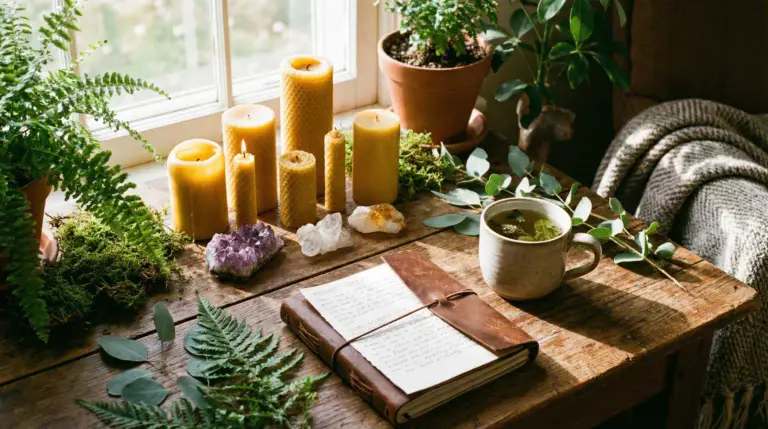
You’ll see lots of fancy altar kits online, but you really don’t need any of that to start. The cool thing about altars is how flexible and personal they can be. I usually go with things I already have around the house, and you probably have some options on hand too.
Here are some basic ideas to get you started:
- Candle: Any candle works, including tealights. Candles can represent the element of fire and bring in a gentle focus, especially during meditation or reflection.
- Small bowl: A simple bowl can hold water (for the element of water), a stone (for earth), or incense ash (for air). It doesn’t have to be fancy.
- Favorite item: A piece of jewelry, a shell, a cool rock, or something from a loved one can bring warmth and personal meaning.
- Natural item: Fresh flowers, a pinecone, or even a leaf—whatever you find locally or during walks—can help connect your altar to the cycles of nature.
- Symbol: Draw a little symbol on paper, or use an item that stands for your intentions or goals. For some, this might be a photograph, a written affirmation, or a small charm.
Mix and match what feels right. Over time, you might swap things around as your interests or needs mix it up. Even a handmade object, a special coin, or an old postcard can hold value and intention. Altars are truly about what feels right to you, and items with a story or personal energy often carry even more weight.
Setting Your Intention: Why It Matters
Intentions are like the secret ingredient that gives your altar energy and focus. Placing your items down mindfully and taking a moment to say (out loud or just in your head) what you hope to nurture or achieve makes your altar way more effective for you. I often light my candle and take a deep breath, simply thinking about what I want this space to support in my life.
If you feel awkward doing a long dedication, try something quick and simple: “This is my space for peace” or “This altar supports my creativity.” You can change your intention anytime as your adventure moves forward. When you put your intention into words, you give your altar clarity and energy, making it a real touchpoint for your goals.
Keeping Your Altar Flexible and Evolving
Altars don’t have to be static. If your space, mood, or needs change, so can your altar. I move things around pretty often. Some days, I add a new flower or swap out an item that no longer feels right. This helps the altar keep feeling fresh and personal rather than stuck and stale.
- Switch up items seasonally: Bring in a pinecone in autumn, a flower in spring, or whatever’s in season.
- Change your intention: Life can mix things up. What you need from your altar might too. It’s totally normal to change focus.
- Try temporary setups: For tight spaces, setting up a “popup” altar before meditation or journaling, then packing it away, works just as well.
Don’t be shy about refreshing your altar now and then. Sometimes all it takes is switching out one object, adding a handwritten note, or rearranging things for a little reset.
What If You Need to Be Discreet?
Altars can be super lowkey. If you don’t want curious visitors or roommates asking questions, use objects that blend into your space. A stone on a bookshelf, a plant on your windowsill, or a candle on your dresser attract way less attention but still serve as potent reminders of your practice.
Some folks I know even use digital photos of meaningful objects on their phone as a discreet, personal “altar” when traveling or in shared living situations. It’s a clever twist for busy or on-the-go lifestyles. If you travel often, you might also keep a small pouch of items to set up a mini altar wherever you are. Flexibility is key.
Troubleshooting Common Beginner Concerns
Most beginners have a few worries or questions when setting up their first altar. Here are some of the ones I see the most, with some practical reassurances:
- “What if I’m doing it wrong?” There’s actually no wrong way to set up an altar that’s meaningful to you. Focusing on intention over appearance is what’s really important.
- “Is my altar too small/basic?” Small, minimal altars often feel the most approachable and get the most use. Over time, you can add or swap items as you wish.
- “Do I need to clean it or perform rituals?” It can help clear your mind if you tidy up your space every so often, but big cleaning routines aren’t necessary. Some people wipe their altars down or dust off objects as part of their routine, but it’s not required if it causes stress. You can make it as simple as wiping down your candleholder or gently dusting your favorite rock once in a while.
More Ideas for Customizing Your Altar
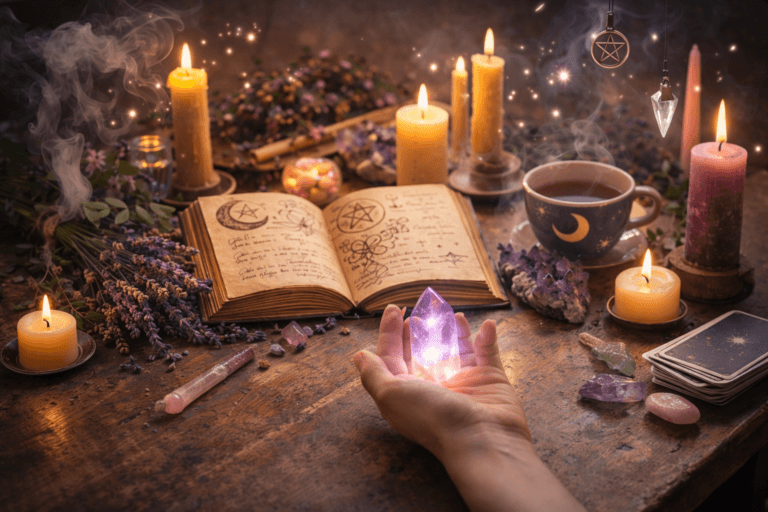
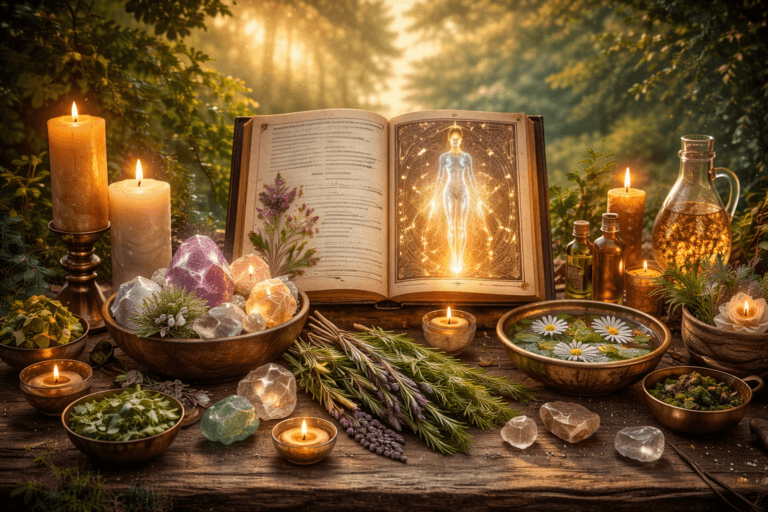
There’s a lot of freedom in how you create and use your altar. Some people like to add sounds, such as a small bell or chime. Others might work with incense, essential oils, or even a playlist that sets the right mood. If arts and crafts are your thing, decorating your altar cloth, tray, or objects with paint or natural dye can make it feel even more personal.
Your altar can reflect your culture, beliefs, interests, or goals. It might honor ancestors, celebrate a new beginning, offer a place of rest during tough times, or just be a peaceful zone for five minutes of daily quiet. You could include family photos, seasonal leaves, found objects from nature walks, or handmade crafts. It’s also common for folks to set up themed altars for particular events or needs, like focusing on gratitude, healing, or creativity throughout the week or month.
Beginner Questions Answered
How often do I use my altar?
There are no schedules or rules. Some people visit their altar daily, others only when they need a boost or want to mark a specific intention. Even a quick pause to focus your mind is beneficial.
Can I use religious items with everyday ones?
Absolutely. I often mix and match, maybe a small Buddha with a favorite mug or a cross with a seashell. It’s about what feels good and right to you. Feel free to make your altar as eclectic or simple as you like.
Do I need to be part of a specific tradition to make an altar?
Nope. All you need is the intention to create a meaningful space. Whether you lean spiritual, secular, or somewhere in between, altars are for anyone wanting to bring focus and energy to their lives. Your altar is uniquely yours, regardless of background.
Why a Simple Altar Really Works
The most effective altars are the ones that keep you involved and comfortable. If the setup feels stressful, expensive, or like a big production, it’s way less likely you’ll stick with it. Simplicity keeps things approachable, letting your focus stay on what’s important. Your intentions, your well-being, and your unique style of practice always come first.
As you start this process, remember your altar isn’t about impressing anyone or following strict rules. It’s about making time and space for what matters, using what feels right for you. Even if you only start with a candle and a meaningful object, you’re building something powerful and real. Direct your focus, nurture your intentions, and let your simple altar support you every day.