Witchcraft For Beginners: What You Actually Need (and What You Don’t)
Starting out in witchcraft can feel overwhelming, especially when social media shows shelves packed with crystals, candles, and an array of decorative tools. The truth is, you don’t need to spend a lot or fill your space with items to begin your practice. Witchcraft is much more about what’s inside you—your thoughts, intentions, and awareness—than anything you own. In this guide, I’ll walk you through what matters most for beginners, what can wait until later, and how to build a personal, rewarding practice without breaking the bank.

What Witchcraft Actually Is (and Is Not)
At its core, witchcraft is about conscious living and self-awareness. It’s the study and practice of energy, intention, and the natural cycles around you. Some people use witchcraft to set goals, heal, connect with the seasons, or just feel more in tune with nature and themselves. There’s no one “right way” to practice, and you definitely don’t need a huge shopping list to start.
Modern media and some shops might make it seem like a crystal grid or spell kit is a necessity. The truth is, being a witch isn’t about buying a perfect necklace or owning a hundred jars of herbs. Most experienced witches start simple and focus on their mindset and environment before ever spending a cent on supplies.
Foundations: The Real Basics You Need for Witchcraft
When people ask me what beginners really need, I always suggest starting with four essentials: clear intention, personal energy, consistency, and observation of nature.
- Intention: Clarity matters so much more than any fancy tool. The heart of any spell, ritual, or meditation is knowing what you want and why.
- Personal energy: This is your mood, focus, and effort—the driving force behind any magical practice.
- Consistency: Ritual is less about what you use and more about what you repeat. Showing up for yourself regularly is key.
- Observation of nature: Watching the moon, paying attention to seasons, or just sitting under a tree gives you deeper insight than a spellbook sometimes can.
Everything else—herbs, candles, crystals, or a decorated altar—is just a way to add to and anchor what you’re already doing in your mind and heart.
Getting Started: Simple Everyday Witchcraft
You can begin practicing witchcraft today by using what you already have. No need to redo your style or clear off a table for an elaborate setup. A few examples of easy ways to jump in include:
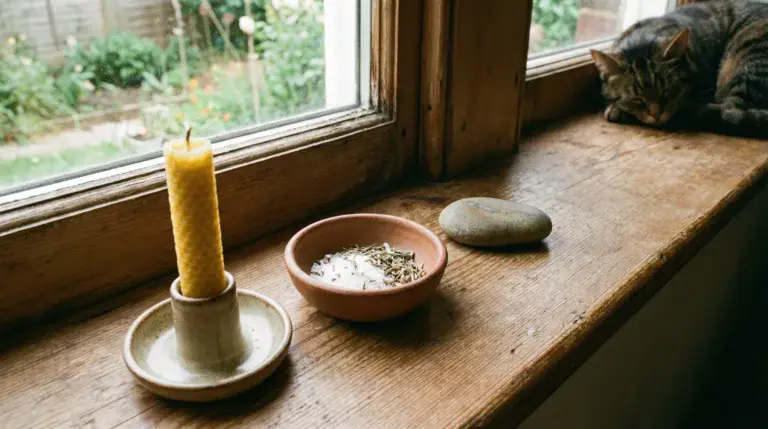
- Lighting a candle with a simple wish or affirmation
- Journaling your thoughts, feelings, or dreams (a regular notebook works great)
- Taking a mindful walk and observing the plants, animals, and weather patterns
- Placing a rock or shell that means something to you near your bed or on a windowsill
When I got started, I used a candle from the dollar store and a hand-me-down journal. I still use them years later, and the energy in those is just as rich as anything I’ve bought since. Witchcraft isn’t about collecting stuff—it’s about making meaning out of what’s around you and inside you.
Items You Don’t Actually Need (But Might Want Later)
It’s easy to think you need to rush out and buy a pile of supplies. Here are things commonly marketed to beginners that are absolutely optional:
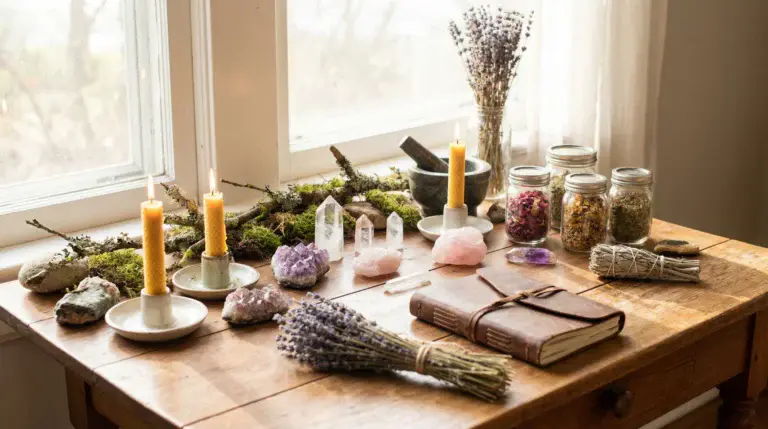
- Large crystal collections
- Expensive altar statues
- Multiple tarot and oracle decks
- Premade spell kits
- Dozens of herbs and essential oils
- Jewelry labeled as “protective” or “magical.”
Owning some of these can be nice eventually, and I do pick up a new candle or crystal when it feels right. But your practice should work for you. No one will come knocking to check how many herbs are in your cupboard.
Marketing makes it easy to want new things, but nothing in a store can replace genuine intention and creative problem-solving. A simple stone you found on a walk or a candle from your kitchen can do the trick just fine.
Choosing Your First Tools (If You Want Them)
If you do want to start gathering a few items, keep it simple. I recommend:
- A candle: Any size or color is fine. Use it for focus, meditation, or setting intentions out loud.
- A notebook or journal: For writing out goals, dreams, observations, and reflections.
- An item from nature: This could be a leaf, a stone, or a shell you found yourself and that feels meaningful.
Add tools as you feel drawn to them, not because someone else’s list says it’s “right.” I picked up a tarot deck a year after I started. Some witches practice for years before adding cards. There’s no timeline or pressure.
Building Your Own Witchcraft Practice
Many beginners ask how to “do it right.” The reality is, your practice is personal and can change over time. Here are steps to help you feel confident as you begin:
- Pick a small ritual. Light a candle, take a few breaths, or write a wish in your journal.
- Notice how you feel before and after. Tuning into your mood is really important in magic.
- Start tracking moon phases or the seasons. Even just doodling the moon in your journal helps you sync up with natural cycles.
- Find a rhythm that works for you. Some people practice daily; others check in weekly or monthly. Do what feels right for your schedule!
- Read and learn as you go. Free resources online, books from the library, or witchcraft history sites can supply tons of info. Always keep asking questions—curiosity is a powerful, magical tool.
Your practice is yours. It isn’t a race or a comparison game with others. Taking time to observe and listen to what speaks to you will help your witchcraft adventure feel authentic and sustainable.
Common Challenges (And How to Steer Through Them)
New witches sometimes get tripped up by a few things, but there are easy fixes:
- Feeling lost among supplies: Stick to a few basics and wait before investing in anything big.
- Not feeling “magical enough”: Everyone feels awkward at first. Small steps really do matter. Ritual is a skill you build like any other.
- The comparison trap: Social media is full of curated photos. Focus on what feels real to you, even if it looks different from what you see online. Your practice is about your own connection and growth.
Every experienced witch I know has felt these things. The best way through is to keep practicing and trust that your own patterns will show up in due time. Confidence grows as you make witchcraft a regular part of your life.
Witchcraft and Safety: Staying Grounded
Practicing any form of spiritual work means taking care of yourself—both physically and mentally. Staying grounded helps you tell the difference between magical thinking and everyday reality. Here are a few simple tips:
- Take breaks from rituals if you feel drained or overwhelmed.
- Talk with friends or a counselor if emotions bubble up unexpectedly.
- Use common sense; never burn candles unattended or use herbs you don’t know much about.
- Trust your instincts. If a spell, group, or tool feels off, step back and assess the situation.
Staying grounded will help you create a steady foundation to build on. Being mindful of your physical space and emotional boundaries keeps your magical work safe and rewarding.
Frequently Asked Questions
Here are answers to questions I get a lot from people just starting witchcraft:
Question: Do I need to join a coven or group?
Answer: Not at all. A solo path is just as valid as joining a group. Spend time learning on your own, and if you feel drawn to a community later, check in and see what’s out there. Trust yourself to choose what feels right.
Question: Are spells real, and do they need fancy items?
Answer: Spells are techniques for focusing intention. Some people spot concrete results; for others, spells help with emotional healing or clarity. You don’t need special tools—just focus, consistency, and honesty with yourself.
Question: How do I know if I’m “doing it right”?
Answer: If your practice feels meaningful and helps you grow, you’re on the right track. Witchcraft is creative and adaptable, not about strict rules. Trust your instincts, be open to learning, and stay curious about your own path.
Witchcraft That Grows With You
Witchcraft doesn’t come with a starter pack or a required checklist. You’ll grow your practice as you go, adding tools or rituals that make sense for you. Starting with intention, observation, and a bit of curiosity will take you farther than any haul of supplies. Over time, your practice will switch up, becoming a unique, personal mix that fits you just right. Wrapping up, remember: it’s your adventure—enjoy exploring it your way, and your magic will flourish.