What Is Witchcraft — and What It Is Not
Witchcraft is one of the most misunderstood spiritual practices in modern culture. For some, it evokes fear or superstition. For others, it feels like a quiet pull they can’t quite explain. To truly understand witchcraft, it’s important to separate myth from reality, and practice from projection.
This article is an invitation to do just that.

What Witchcraft Is
At its core, witchcraft is a personal, intentional practice rooted in awareness, connection, and relationship—with self, nature, energy, and the unseen rhythms of life.
1. A Practice of Intention
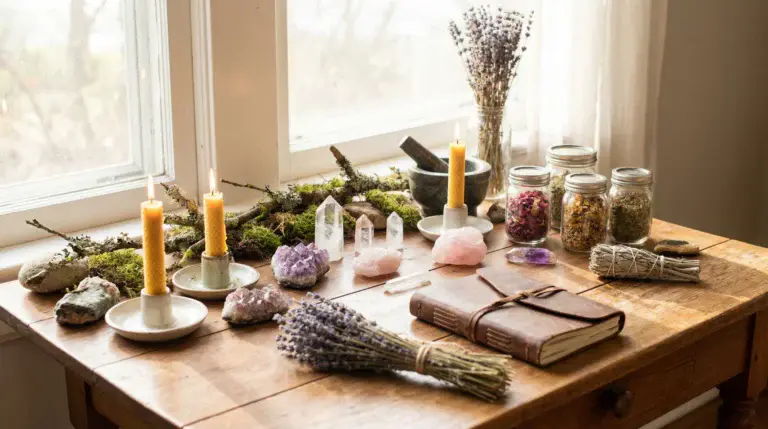
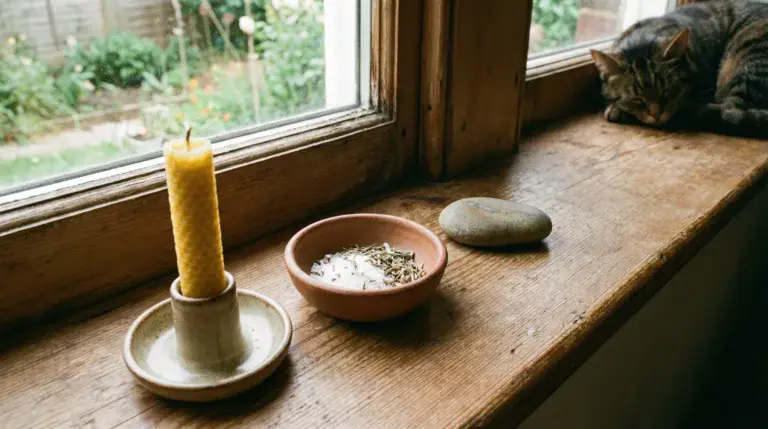
Witchcraft works through intention. It is about consciously directing focus, emotion, and action toward a desired outcome—whether that outcome is healing, protection, clarity, or growth. Tools like candles, herbs, or crystals are supports, not sources of power.
The power comes from the practitioner.
2. A Relationship With Nature
Many witches work in alignment with natural cycles: the moon phases, the seasons, the elements, and the subtle shifts in energy that occur throughout the year. This connection fosters respect for balance, timing, and patience.
Witchcraft is not about forcing outcomes—it’s about working with the flow of life.
3. A Path of Self-Knowledge
Witchcraft often involves reflection, journaling, meditation, ritual, and inner work. It encourages self-trust, emotional awareness, and responsibility for one’s choices. In this way, it can be deeply therapeutic and grounding.
Many people find witchcraft because they are seeking agency, not escape.
4. A Flexible, Personal Practice
There is no single “right” way to practice witchcraft. It is not centralized, dogmatic, or rigid. Traditions exist, but personal intuition and lived experience matter just as much—if not more.
What Witchcraft Is Not
Just as important as understanding what witchcraft is, is clearing up what it is not.
1. Witchcraft Is Not Devil Worship
This is one of the most persistent myths. Witchcraft is not inherently tied to Satan, demons, or evil forces. Many witches are spiritual but not religious; some are religious in other ways; some are purely nature-based or symbolic in their approach.
Witchcraft is a practice—not a belief system imposed from above.
2. Witchcraft Is Not About Harming Others
While popular media often portrays witches as vengeful or manipulative, most modern practitioners follow ethical principles centered on responsibility, consent, and non-harm. Protection, healing, and self-empowerment are far more common focuses than curses or coercion.
True power does not require domination.
3. Witchcraft Is Not Instant or Magical Thinking
Witchcraft does not bypass effort, reality, or consequence. It does not replace action with wishful thinking. Instead, it works best when paired with aligned choices, patience, and real-world follow-through.
Magic supports change—it doesn’t excuse avoidance.
4. Witchcraft Is Not a Costume or Trend
While aesthetics can be beautiful, witchcraft is not about appearances or social media performance. It is a lived practice that unfolds quietly over time. Tools and rituals gain meaning through use, not display.
Why People Are Drawn to Witchcraft
Many people come to witchcraft during periods of transition, healing, or awakening. It often resonates with those who want to:
- Reclaim personal power
- Heal emotional or energetic wounds
- Create boundaries and protection
- Live more intentionally
- Feel connected to something ancient yet deeply personal
Witchcraft offers permission to slow down, to listen inward, and to participate consciously in one’s own life.
A Final Thought
Witchcraft is not about fear, rebellion, or control.
It is about a relationship.
With yourself.
With nature.
With intention.
And like any meaningful practice, it grows best when approached with curiosity, respect, and honesty.
If you feel drawn to witchcraft, you don’t need to label yourself, rush ahead, or get everything “right.” You only need to begin where you are—and listen.