Baby Witch Mistakes Everyone Makes (and How To Avoid Them)
Jumping into witchcraft as a beginner feels both exciting and a little intimidating. Every “baby witch” runs into some common slip-ups, and honestly, they’re just part of finding your own path. I’ve been there, making mistakes, second-guessing myself, and wondering if I was “doing it wrong.” Spoiler: almost nobody gets it “right” the first time, and there’s really no single way to practice magic perfectly anyway. So if you’re new and hitting some bumps, you’re totally not alone.

The Most Common Baby Witch Mistakes (and Why They Happen)
Starting out in witchcraft, it’s super easy to fall into a few typical traps. Social media, YouTube videos, and even books can make it seem like you need a massive shopping list of supplies, a perfectly memorized ritual, or instant results. Here are some real beginner mistakes that almost every baby witch makes at least once, and why they’re honestly pretty relatable.
- Going on a Shopping Spree: Buying every crystal, candle, or deck in sight because it “feels necessary.” I definitely filled drawers with stuff I never actually used.
- Copying Rituals Word for Word: Lifting spells from someone else without considering what the ingredients, symbols, or intentions even mean to you.
- Second-Guessing Intuition: Ignoring those gut feelings because it seems like there’s a “right” way everyone else is doing it.
- Jumping Straight to Advanced Spells: Trying complicated rituals before learning the basics, hoping for instant magic.
- Wanting Instant Results: Expecting a spell to work overnight or getting discouraged when nothing seems to happen right away.
Building a Safe and Supportive Witchcraft Foundation
Instead of stressing about making mistakes, the focus really should be on learning the basics and figuring out what feels good for you. This early part of the adventure is super important (and often pretty enjoyable) because this is how you grow real confidence in your practice. Here are the foundational tools and habits that make everything else smoother:
- Grounding. Practices like meditation, breathing exercises, or sitting in nature help keep you steady and focused. I make it a habit to ground before any ritual or spellwork.
- Setting Intentions. Magic has way more to do with clear intentions than with fancy supplies. Scribbling out my goals in a journal does more for my confidence than any expensive wand.
- Staying Curious. It’s normal not to know everything. Reading beginner-friendly books or listening to podcasts keeps things interesting without making you feel overwhelmed.
One underrated step in building a supportive foundation is connecting with your own rhythms, both monthly and seasonally. Try observing the moon’s cycles and jotting down how you feel physically and emotionally at different phases. Many baby witches stumble upon unexpected insights just by tracking these simple patterns. This habit doesn’t require any tools other than some paper or a notes app, and it helps you sync up more deeply with nature and your intuition. Over time, you’ll notice what days feel magical and what times urge you to rest. This self-awareness can give a boost to your confidence and make your practice truly your own.
How to Avoid Early Burnout (and Actually Enjoy the Adventure)
Beginning witches often want to try everything at once, but that’s a shortcut to feeling tired and discouraged. Pacing yourself gives more room for your skills and intuition to grow naturally. Here’s what’s helped me (and a lot of other witches I know) keep the spark alive without burning out:
- Pick One or Two Focus Areas. Instead of trying to learn tarot, herbal magic, moon phases, and astrology all at once, start with the area that draws you in the most. I spent my first month just tracking moon phases and how I felt each day, super simple, and it taught me a lot.
- Keep Rituals Simple. Lighting a candle and sitting with your thoughts totally counts as a magic ritual. There’s no rule that says you have to chant, draw up circles, or recite long poems to connect with your practice.
- Reflect Regularly. Pause every week to journal about what’s working, what feels awkward, and what sparks excitement. Being honest with myself made my practice way more meaningful over time.
To really keep things fun, consider marking small wins. Maybe your first spell felt awkward, but you noticed yourself feeling a little more confident the next day. Jot that in your journal, and celebrate progress in little ways—like making your favorite tea or taking a walk in nature.
Common Witchcraft Myths (and What Actually Matters)
Some beliefs get tossed around a lot, especially online, but they’re not exactly accurate or helpful for new witches. Breaking them down helps build a practice that feels more authentic and less stressful.
- Myth: Expensive Tools Are Required. Truth is, intention beats expensive gear every time. I’ve done awesome rituals using nothing but a coin, a string, and a paper scrap.
- Myth: You Can’t Make Mistakes. There’s no universal rulebook. Mistakes are usually just new experiences that teach you what works and what doesn’t.
- Myth: Witchcraft Delivers Fast Results. Real changes tend to show up slowly, and that’s normal. Not every spell changes your life overnight; sometimes it’s just a practice in mindfulness and self-discovery.
- Myth: You Need to Follow a Specific Tradition. Mixing and matching is totally fine, as long as you’re respectful and pay attention to where your practices come from.
Plenty of witches also worry about “doing it wrong” when it comes to family or cultural traditions. Remember: it’s perfectly fine to seek out practices and symbols that genuinely speak to you, and it’s always okay to check in with your elders or community before adopting something you’re not familiar with. Being thoughtful about your path will always matter more than memorizing a set of rules.
Practical Tips for Baby Witches Who Want to Grow
Getting better at witchcraft isn’t just about buying more stuff or copying more rituals. Here are the practical things I wish I had learned earlier:
- Start a Grimoire or Book of Shadows. Even a cheap notebook works. Record your spells, thoughts, and feelings after rituals. Patterns pop up over time that help you understand your unique magic.
- Cleanse Your Space. Regularly sweep, tidy, or use smoke (like sage, incense, or even plain air) to clear the energy where you practice. It helps keep things feeling fresh and inviting.
- Practice Energy Sensing. Before casting complex spells, get comfortable sensing energy. Rub your hands together, notice tingles, or observe shifts in your mood when handling crystals or herbs.
- Ask Questions and Connect with Others. Online groups, Discord servers, and local witchy shops can help answer random questions and provide support. Don’t be shy to reach out or admit what you’re still learning!
- Protect Personal Boundaries. Not everyone in your life will understand or respect your interests. Decide early what you do (or don’t) want to share, and create a sacred space, physical or mental, where your practice is just yours.
You might also want to pick up a simple calendar or planner. Scheduling your practice—even if it’s five minutes of meditation on Sunday mornings—can make it easier to build habits and track your progress over time.
Understanding Tools: What You Need (and What You Don’t)
The urge to collect everything is so real. But honestly, most spells work with basic, everyday objects. Here’s a quick look at tools and how to approach them without overloading yourself:
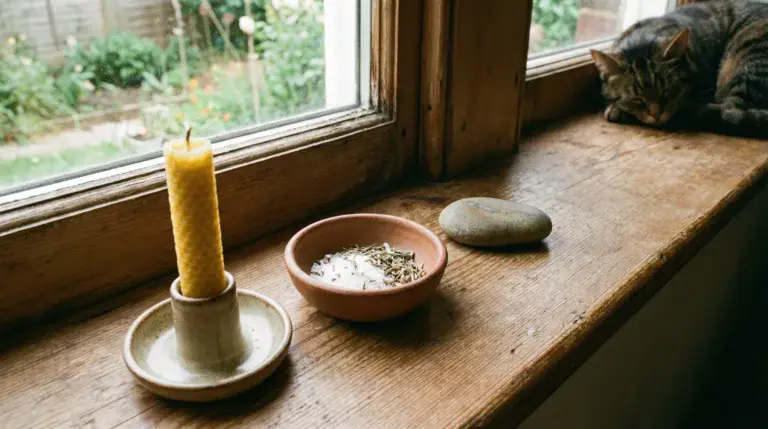
- Candles: Cheap tealights work just as well as fancy colored candles. You can even use birthday candles in a pinch.
- Herbs: Common kitchen herbs like basil, rosemary, or salt are just as magical as anything you buy at a specialty shop.
- Crystals: Even a single stone you find on a walk can be powerful. Bigger collections are fun but totally optional.
- Tarot & Oracle Cards: Start with a deck that catches your eye. If that feels overwhelming, learn simple one-card draws or daily cards to build your confidence.
I always recommend working with what’s available before investing in more gear. Over time, you’ll know exactly which tools matter to you personally. Trust your sense of what feels powerful, and remember: it’s the meaning and personal energy you put into a tool that truly counts.
Some witches even create their own tools, like pendulums from cords and rings or altars from favorite objects around the house. This adds a personal touch and helps you build a deeper connection to your practice.
Frequently Asked Questions for Baby Witches
Here are a few questions I hear all the time from folks just getting started:
Q: Can I mess up a spell if I forget a step?
A: Spells rely on your intention more than perfection. If something feels “off,” just pause, breathe, and reset your focus. It’s totally okay to change things up as you go.
Q: What’s the best place to find reliable information on witchcraft?
A: Beginner-friendly books, podcasts like “The Witch Wave,” and respectful online communities are good bets. It’s smart to be a little skeptical and prioritize resources that focus on real world experiences over popular trends or drama.
Q: How do I know if I’m doing magic “right”?
A: If your practice feels fulfilling, honest, and authentic to what you want, you’re on the right track. Magic’s really personal; it’s okay if it looks different from everyone else’s.
Taking It Slow—Why Your Practice is Already Enough
No matter what anyone says, there’s no rush to become an “advanced” witch. Growth happens one step at a time, and every mistake is just a lesson that guides you closer to what works for you. Consistency, self-compassion, and curiosity will always matter more than complicated rituals or perfect tools. New witches who stick around usually aren’t the ones who get everything right the first time. They’re the ones who give themselves grace when they get it “wrong.” The bottom line: enjoy the ride, make space for your own voice, and remember that your practice is enough—right now, and always.